
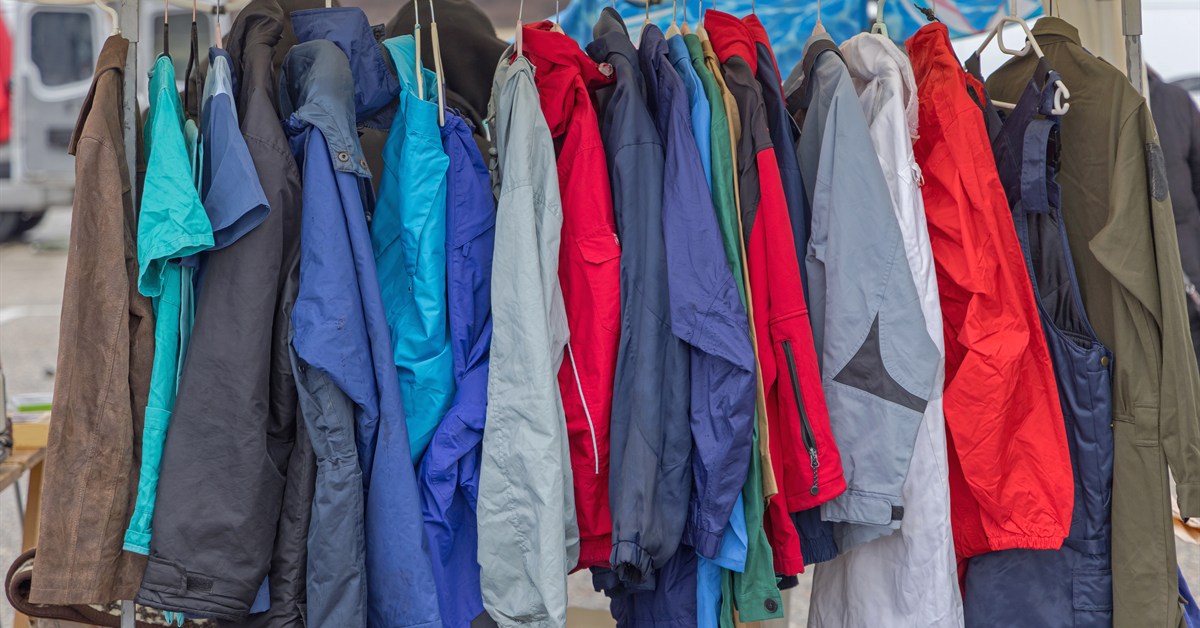
When cold weather brings rain, snow, or melting ice, people spending extended periods outdoors may have limited opportunities to dry damp clothing or replace wet accessories. Those conditions make moisture an important consideration alongside warmth, particularly for recipients who rely on the same winter gear throughout the day. Choosing waterproof winter gear for outdoor survival therefore requires organizations to consider how supplies will function during wet weather without assuming that any single accessory can provide complete protection from prolonged cold exposure.
Keep Hand Protection Functional in Wet Weather
Because hands remain exposed during many everyday activities, wet winter conditions can make suitable hand protection particularly important for people who spend substantial time outside. Gloves that become saturated may be difficult to dry when someone lacks consistent access to a warm indoor space, making construction and suitability for expected weather useful factors to consider.
Beyond protection from the elements, winter gloves still need to support the activities recipients perform throughout the day. Carrying belongings and handling personal items can become more difficult when gloves restrict movement, so organizations should consider usability alongside weather conditions when comparing options.
Consider Coverage for Changing Winter Conditions
As temperatures and precipitation change throughout the day, winter accessories that provide additional coverage can help recipients prepare for varying outdoor conditions. Hats can supplement other winter layers while remaining compact enough to keep available when temperatures drop or weather conditions worsen.
When organizations evaluate wholesale winter sets, the expected conditions should guide decisions about which accessories belong in an outreach effort. Local partners can provide additional context about the winter supplies recipients currently lack without requiring organizers to assume that specific products offer waterproof performance.
Account for How Recipients Will Carry Their Gear
People who carry their personal belongings throughout the day need winter gear they can easily store when they are not wearing it. Large or difficult-to-store products can compete for limited space, while compact accessories can fit more easily alongside other belongings.
By considering portability before purchasing large quantities, organizations can evaluate winter supplies from the recipient's perspective as well as their performance during cold weather. Gear that remains manageable to store and carry can stay accessible as recipients move between outdoor areas and community services.
Choose Gear Around Actual Outdoor Conditions
When organizations select winter gear for outdoor survival, the goal should be to match practical supplies with the conditions recipients are likely to encounter. Weather exposure and the ability to carry each item can help determine whether a product makes sense for a particular outreach effort.
Backpacks USA offers bulk winter accessories for charities and organizations preparing seasonal distributions. Coordinating with local partners before ordering can help donation programs select winter supplies that reflect documented community needs and expected weather conditions.