
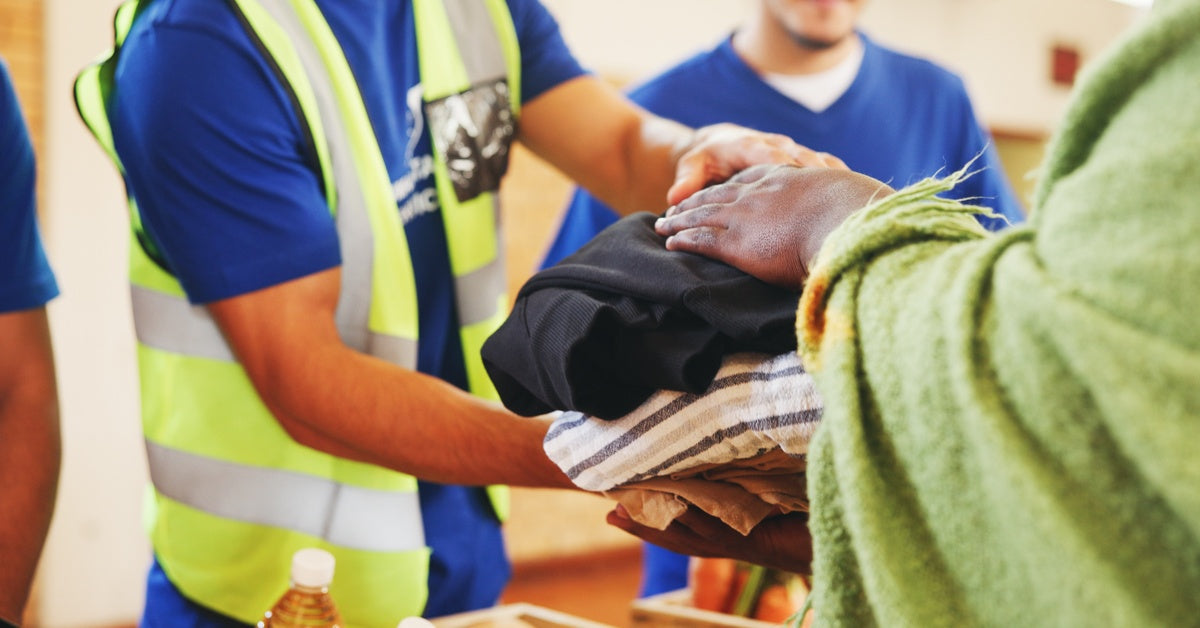
For people without reliable access to shelter, falling temperatures can affect far more than physical comfort because avoiding prolonged exposure is not always possible. Someone experiencing homelessness or housing instability may have limited opportunities to warm up indoors, replace wet clothing, or add appropriate layers as conditions change. Recognizing how cold weather affects vulnerable communities requires considering those circumstances and the ways they can make everyday activities more difficult, giving charities and donation programs useful context for determining which forms of seasonal assistance can address practical needs.
Extended Outdoor Exposure Creates Greater Challenges
When people spend substantial portions of the day outdoors, colder temperatures can affect activities that would otherwise require little additional preparation. Wind or wet conditions can make extended exposure more difficult, especially for someone who cannot readily move indoors or change damp clothing.
For people who rely on services located throughout a community, reaching necessary resources can also require significant travel outdoors. Moving between a shelter and other essential destinations can extend the amount of time someone spends in cold conditions even when indoor assistance is available during part of the day.
Gaps in Shelter Access Can Prolong Exposure
When shelters or warming locations have limited capacity or operate during specific hours, people who depend on those services cannot always move indoors whenever temperatures become difficult to tolerate. Periods between available services can leave recipients searching for another protected location or remaining outside longer than expected.
For communities where shelters and other resources are spread across a large area, transportation limitations can further extend that exposure. Outreach organizations that work directly with vulnerable populations can help donors understand how these local conditions affect the people they serve.
Winter Conditions Can Complicate Everyday Routines
For someone who must carry personal belongings throughout the day, winter weather can introduce practical difficulties that people with reliable housing may rarely encounter. Clothing that becomes wet can remain difficult to dry, while necessary trips between services can require additional time outside without a dependable place to warm up afterward.
When cold conditions affect these routine activities repeatedly, even basic tasks can require more planning and physical effort. Understanding those circumstances gives donation programs a clearer picture of why seasonal needs extend beyond temporary discomfort.
Adequate Winter Clothing Can Provide Practical Support
Appropriate winter clothing becomes particularly important during periods of prolonged exposure outdoors. Accessories that cover commonly exposed areas can supplement other layers and remain relatively easy to carry with personal belongings.
Organizations purchasing wholesale hats and gloves can coordinate with local outreach programs to determine whether those items match current shortages. Connecting purchasing decisions to documented needs helps seasonal donations support recipients without assuming that every community requires the same winter supplies.
Respond to the Conditions Recipients Actually Face
Understanding the impact of cold weather on vulnerable communities can help donation programs focus on seasonal support on the conditions recipients face. By considering local needs and existing resources, organizations can make more informed choices about the winter supplies they provide. Backpacks USA offers bulk winter accessories for charities preparing seasonal outreach and community distributions.