Community outreach programs rarely operate with predictable demand because volunteer groups often respond to changing local conditions throughout the year. A single event may require hundreds of supplies within a short period, especially when organizations coordinate large seasonal drives or emergency relief efforts. Purchasing smaller quantities may appear manageable at first, but fragmented ordering can create issues within limited budgets.
The use of bulk goods in community outreach programs requires organizers to consider storage capacity, transportation logistics, volunteer coordination, and the ability to distribute supplies efficiently across multiple locations. Those operational factors shape how organizations plan donation campaigns and maintain steady support for the communities they serve.
Why Outreach Programs Depend on Reliable Supply Networks
Community organizations frequently support hundreds or even thousands of individuals during back-to-school drives, disaster response efforts, or seasonal outreach campaigns. Because of that scale, outreach teams must secure dependable inventory sources capable of fulfilling large orders without major delays or inconsistent product quality. Smaller purchasing cycles may create unnecessary complications when demand rises unexpectedly during peak outreach periods.
Reliable supply networks allow organizations to prepare distribution plans earlier while coordinating volunteers and storage space more effectively. Schools, churches, and shelters that manage recurring donation programs generally benefit from structured procurement systems since organizers can focus more attention on community engagement.
Coordinating Large Donation Campaigns Across Multiple Locations
Large outreach initiatives don’t always operate from a single distribution point because many nonprofits partner with other local groups to spread throughout different communities. Coordinating inventory across several locations becomes much easier when supplies arrive in standardized quantities that teams can sort and distribute efficiently.
Inventory Challenges Faced by Community Organizations
Inventory management creates ongoing challenges for outreach teams, particularly when programs rely heavily on volunteers or temporary storage spaces. Supplies may become difficult to track once donation campaigns begin receiving products from multiple sources with varying packaging and shipment schedules.

Bulk ordering simplifies that process by creating more consistent inventory structures. Coordinators can organize supplies according to event size, recipient age groups, or seasonal demand without spending additional time repackaging scattered donations into usable distribution formats.
How Bulk Purchasing Improves Budget Allocation
Nonprofits and schools frequently operate under strict financial limitations, which means purchasing efficiency directly affects the number of people they can support. Larger orders generally reduce per-unit costs, allowing outreach programs to stretch available funding further during high-demand periods.
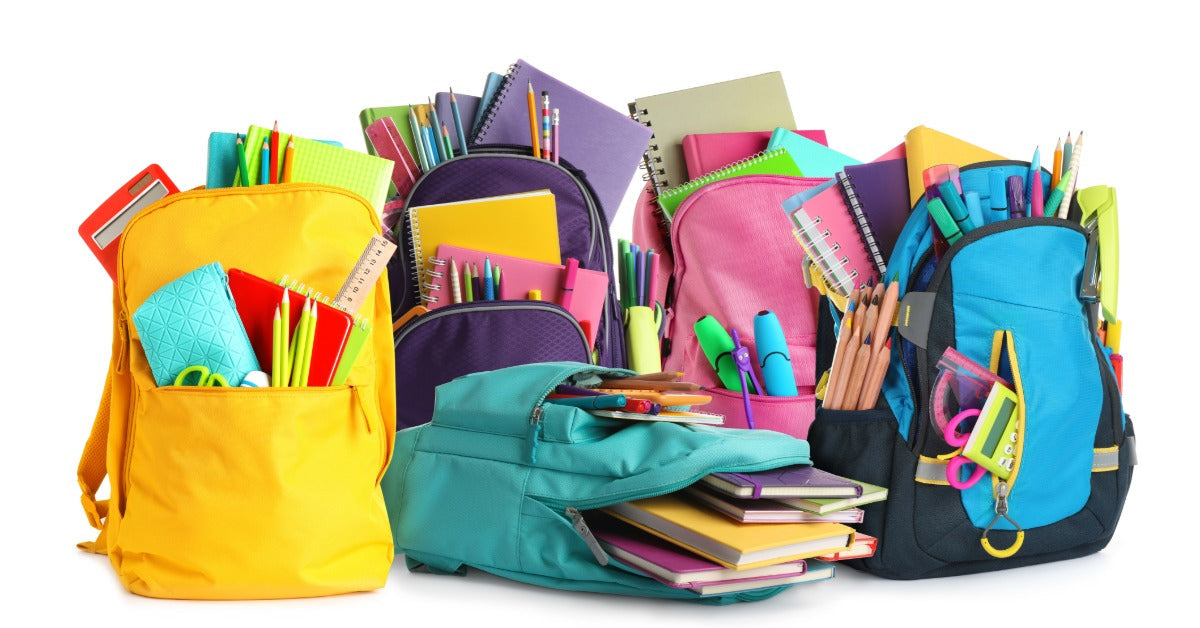
Strategic purchasing decisions may free additional budget space for transportation, volunteer support, or expanded community services. Organizations planning school drives, for example, may use savings from wholesale school backpacks to purchase additional classroom supplies or hygiene products for families facing financial hardship.
Matching Supplies to Community Demographics
Outreach programs serve a wide range of communities with different priorities, living conditions, and distribution challenges. Supplies selected for elementary school students may look very different from products prepared for homeless outreach initiatives or disaster relief programs supporting displaced families.
Choosing Products for Different Outreach Goals
Schools may prioritize necessary educational supplies, while shelters focus more heavily on hygiene products, cold-weather accessories, and portable essentials recipients can carry easily. Programs supporting rural communities may require larger distribution quantities because recipients have fewer nearby retail options available.
Understanding those demographic differences allows organizations to create more targeted outreach strategies while reducing unnecessary waste. More thoughtful purchasing decisions create stronger alignment between available inventory and actual community demand.
Distribution Planning for High-Volume Events
Large-scale distribution events require more coordination than many organizations initially anticipate. Volunteers must unpack shipments, sort products, prepare kits, and direct recipients through organized pickup systems within limited timeframes. Disorganized inventory may slow distribution significantly while creating confusion for staff and attendees.

Programs using standardized bulk inventory generally experience smoother event operations because products arrive packaged consistently and remain easier to categorize quickly. Distribution teams can move supplies through staging areas more efficiently while maintaining clearer oversight of remaining inventory during busy events.
Why Consistency Matters During Recurring Programs
Many outreach organizations operate year-round, which means inventory planning must support ongoing demand instead of isolated campaigns. Recurring partnerships requires reliable access to supplies without major interruptions.
Preventing Supply Gaps During Peak Seasons
Seasonal demand spikes may place additional pressure on inventory systems when organizations wait too long to replenish supplies. Winter outreach programs, back-to-school campaigns, and emergency response efforts frequently compete for the same products during high-demand periods.
Programs that maintain more consistent procurement schedules generally experience fewer disruptions because inventory remains more stable throughout the year. Earlier planning creates stronger flexibility while reducing dependence on last-minute purchasing during crowded seasonal cycles.
Building Partnerships With Schools and Nonprofits
Outreach campaigns often succeed because multiple organizations collaborate toward shared community goals. Schools may partner with churches, or nonprofits may pair with local businesses to expand donation efforts and increase distribution capacity during larger campaigns.
Those partnerships become easier to manage when supply systems remain organized and scalable. Bulk purchasing structures create more predictable distribution planning while allowing multiple organizations to coordinate a plan more effectively.
Long-Term Benefits of Organized Procurement Strategies
Well-organized procurement systems create operational stability that extends beyond individual donation drives. Outreach programs with stronger inventory planning generally reduce waste, improve storage management, and create smoother volunteer coordination across multiple campaigns throughout the year.
Structured purchasing approaches may strengthen donor confidence as well because supporters can see that organizations distribute resources efficiently and maintain consistent outreach operations. Better inventory oversight creates clearer planning opportunities for future campaigns while reducing unnecessary logistical strain on staff and volunteers.
Strengthening Outreach Efforts With Smarter Supply Planning
The role of bulk goods in community outreach programs extends far beyond convenience because organized procurement directly affects how efficiently supplies reach the people who need them most. Schools, shelters, nonprofits, and community organizations rely on predictable inventory systems to support recurring outreach efforts while adapting to changing local demand throughout the year. Larger purchasing strategies create stronger operational consistency, particularly when programs distribute supplies across multiple locations or serve growing populations during seasonal campaigns.
Outreach organizations that invest time into smarter procurement planning frequently improve without sacrificing supply quality. Backpacks USA works with works with every one of these organizations when they are searching for dependable bulk inventory solutions that support initiatives across the country.