
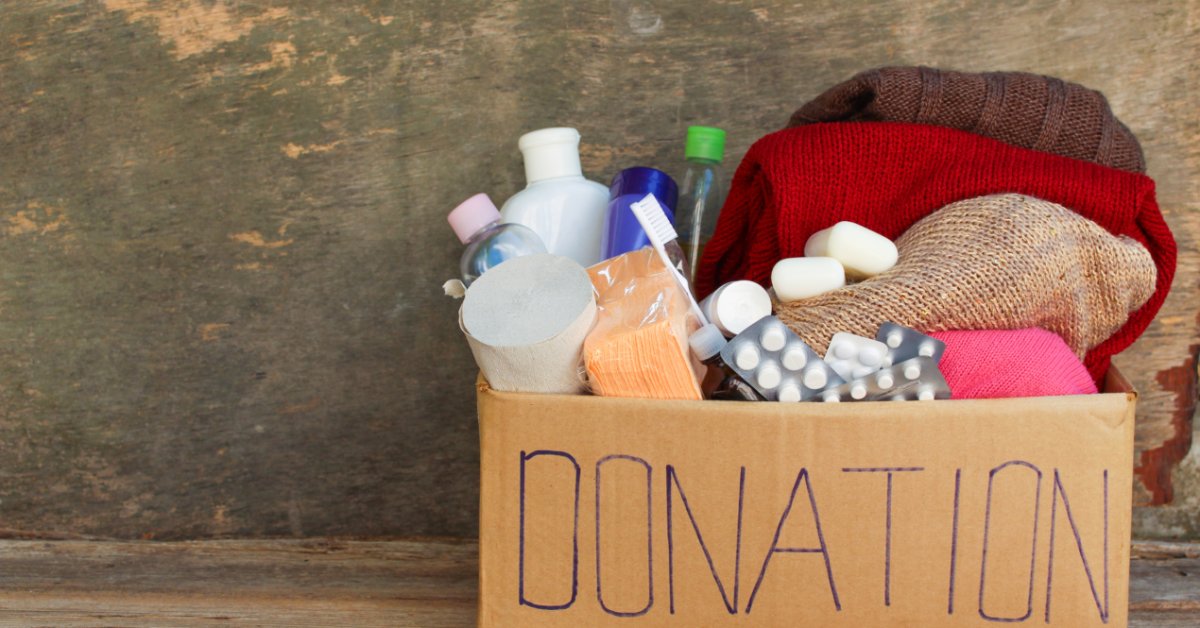
Cold weather creates immediate risks for people who spend extended periods outdoors or lack reliable access to heated spaces. For shelters, churches, charities, and outreach groups preparing for winter, the contents of a care kit can affect whether recipients have useful protection when temperatures fall. Effective kits need to reflect the conditions people actually face after distribution, not simply fill a bag with whatever winter products happen to be available.
Organizations planning to build winter care kits that save lives should start with the problems recipients need to manage during cold-weather exposure. Warmth matters, but so does moisture, portability, and the ability to replace or reuse essential items. Building around those practical needs gives donation programs a stronger foundation for deciding what belongs in each kit.
Start With the Conditions Recipients Will Face
Winter conditions vary widely between communities, which means a useful kit in one region may leave significant gaps in another. Outreach groups should consider typical temperatures and how long recipients may remain outdoors between opportunities to reach shelter. Local organizations that already work directly with the community can provide valuable insight into those conditions.
How recipients access shelter after distribution also affects what a winter care kit needs to provide. Someone receiving a kit during a one-night emergency shelter stay may have different needs from a person who regularly sleeps outdoors. Programs should use that context to determine how much protection each kit needs to provide, and how easily recipients can carry the contents afterward.
Build the Kit Around Warmth First
Protecting the body from cold temperatures should guide the first round of product selection. Winter hats reduce exposed skin, while gloves protect hands that recipients may need to keep uncovered for daily tasks. Scarves and other wearable layers can add coverage without taking up much room inside a kit.

Socks deserve particular attention because recipients may spend significant portions of the day walking or standing outdoors. Wet or inadequate socks can make cold conditions more difficult to manage, especially when someone cannot change footwear or return indoors easily. Including extra pairs gives recipients an opportunity to change into dry socks when needed.
Organizations purchasing wholesale winter accessories can build this core around products that fit their climate and distribution model. Establishing the essential warmth items first also makes later purchasing decisions easier because organizers can evaluate remaining products against a kit that already addresses its primary purpose.
Account for Wet Winter Conditions
Cold temperatures become more difficult to manage when clothing or personal belongings get wet. Rain, melting snow, and damp ground can leave recipients with limited ways to dry what they carry, so winter kit planning should account for moisture as part of cold-weather preparation.
Packaging decisions should support usability without creating unnecessary bulk. Large boxes or excessive wrapping take up valuable space, while compact packaging makes it easier for recipients to organize supplies and protect them during daily travel.
Consider What Recipients Can Realistically Carry
A winter care kit loses some of its usefulness when recipients cannot comfortably take it with them. People experiencing homelessness may already carry clothing and personal belongings, which limits how much additional weight or volume they can manage.
Donation organizers should evaluate the complete kit as one unit before finalizing quantities. A single item may seem lightweight on its own, but several bulky products can quickly create a package that becomes difficult to transport. Testing an assembled kit gives organizers a clearer picture of the actual size and weight.
Backpacks can provide a practical distribution method when the program needs to package multiple items together. They also give recipients a reusable way to keep supplies organized after the initial distribution, extending the usefulness of the container beyond the event itself.
Add Hygiene Supplies With Winter Use in Mind

Cold-weather outreach still needs to account for basic hygiene, especially when recipients have inconsistent access to showers or other facilities. Compact hygiene products can complement winter accessories without overwhelming the limited space available in each kit.
Product selection should reflect how recipients can realistically use an item. Supplies that require dependable access to water or specialized facilities may offer less immediate value during street outreach than products recipients can use with limited resources.
Programs that already distribute separate hygiene kits may choose to keep the winter package focused on warmth. When one care kit needs to cover both needs, organizers can select a smaller set of practical hygiene essentials and preserve most of the available space for cold-weather protection.
Think Beyond the First Distribution Day
Durability becomes particularly important when recipients cannot easily replace what they receive. A winter accessory that holds up through repeated use can provide greater practical value than an item that needs quick replacement, especially for people who depend heavily on donated supplies.
Programs should also consider whether recipients can reuse the kit container. A durable backpack or bag can protect personal belongings after recipients have used the original supplies, giving the donation another practical function.
Match Quantities to the Distribution Plan
Determining what belongs in a winter care kit only addresses part of the planning process. Organizations also need enough completed kits available when cold-weather demand increases while keeping inventory within their storage and distribution capacity. Matching order quantities to expected demand helps programs prepare adequate supplies without creating excess inventory they may struggle to manage.
Expected turnout provides a useful starting point, particularly for organizations with records from previous winter events. New programs can work with shelters or community partners to estimate how many people they expect to serve. Maintaining a modest reserve can help programs respond when attendance exceeds expectations without dramatically overordering.
Planning enough lead time to source products and assemble kits helps organizations prepare before severe weather creates urgent demand. Starting preparations before temperatures drop also gives volunteers more flexibility to organize supplies without rushing through assembly.
Coordinate Kit Assembly for Easier Distribution
Once products arrive, a consistent assembly process helps organizations ensure that recipients receive everything they need. Volunteers can work from a finalized packing list and arrange products in a set order, which makes missing items easier to identify before kits reach the distribution point.
Assembly also provides a final opportunity to evaluate practicality. If volunteers struggle to fit everything into the selected bag or find that certain products create unnecessary bulk, organizers can address the problem before producing hundreds of identical kits.
Build Winter Support Around Real Needs
The strongest winter donation programs connect product selection directly to the circumstances recipients face. Warmth, portability, moisture protection, and continued usability provide practical criteria for evaluating each item without turning the kit into an oversized collection of loosely related supplies.
Organizations refining how they build winter care kits that save lives can use those criteria to create packages that remain useful to the recipients. Backpacks USA supplies bulk winter accessories and other products for community organizations preparing large-scale donation efforts. Planning purchases around real winter conditions helps organizations direct their resources toward supplies recipients can genuinely use.