
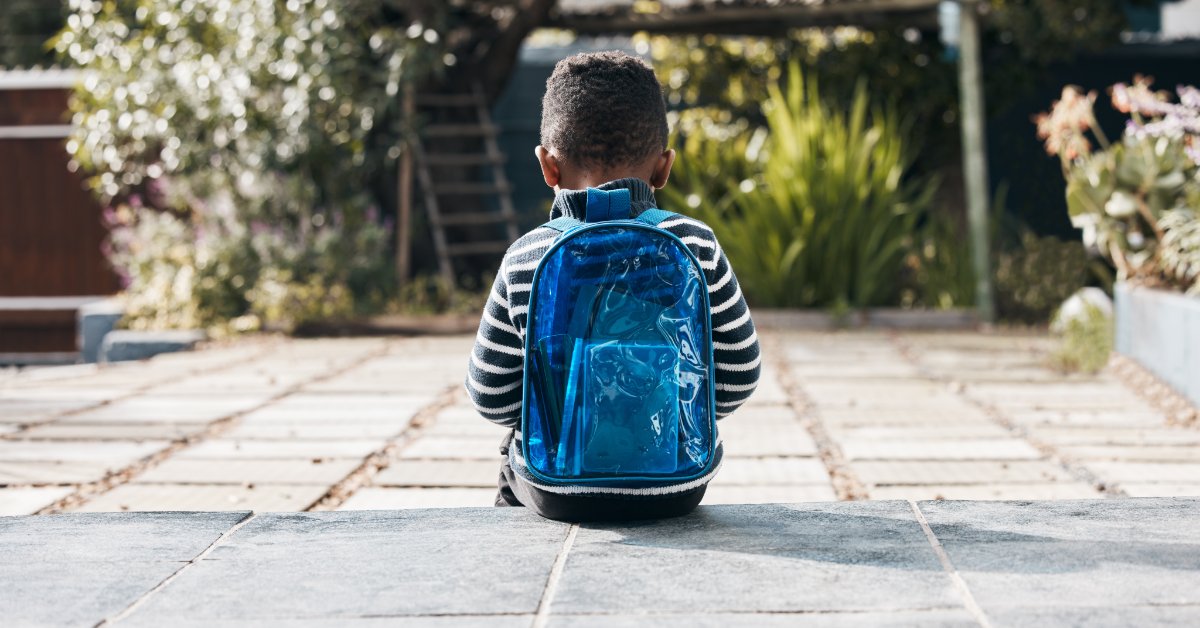
Schools and community programs rarely replace backpacks according to a fixed timeline because usage conditions can vary dramatically from one group to another. A backpack distributed to a student who carries it every day will experience different levels of strain than one reserved for occasional program use. As a result, replacement decisions usually depend on performance.
To understand how often you should replace mesh backpacks, you must evaluate how those backpacks function within a larger program. Organizations that monitor inventory consistently can identify replacement needs before damaged bags begin affecting students or disrupting distributions.
Focus on Performance Rather Than Age
Many organizations make the mistake of assuming every backpack should last the same amount of time. In reality, usage habits create very different outcomes. A backpack that remains structurally sound and continues carrying supplies comfortably may not require replacement simply because it has reached a certain age.
Regular evaluations provide a more reliable benchmark. When straps begin pulling away from the bag or closures stop functioning properly, replacement becomes a practical consideration regardless of how long the backpack has been in circulation.
Create Scheduled Inventory Reviews
Waiting for backpacks to fail before addressing inventory needs can create unnecessary challenges during school distributions and community events. Instead, many organizations schedule periodic reviews throughout the year to assess condition and identify trends within their inventory.
Those reviews allow coordinators to estimate future purchasing needs more accurately while spreading costs across multiple budget cycles. Better planning reduces the likelihood of large, unexpected replacement orders.
Consider Program Requirements
School districts, youth programs, and community organizations may operate under different expectations regarding appearance and functionality. Some programs replace inventory only when bags no longer perform their intended purpose, while others maintain stricter standards because backpacks represent the organization during public events.
Groups purchasing wholesale transparent backpacks or wholesale mesh backpacks frequently balance durability considerations with program presentation goals when developing replacement schedules. That approach supports long-term planning while maintaining consistent inventory quality.
Storage Practices Affect Lifespan
Even durable backpacks can deteriorate prematurely when organizations store them improperly. Long periods in damp environments or overcrowded storage areas may place unnecessary stress on materials, reducing their usable life before distribution ever begins.
Clean storage areas and organized inventory systems create better conditions for long-term product performance. Small improvements in storage management can delay replacement needs and improve inventory value.
Building a Sustainable Replacement Strategy
People can determine how often to replace mesh backpacks by understanding how kids and adults use them. Organizations that evaluate performance regularly, maintain organized storage systems, and plan future purchases proactively usually make more effective replacement decisions than those relying on arbitrary timelines.
Backpacks USA supplies mesh and clear backpack solutions for schools, nonprofits, and community programs seeking dependable inventory for large-scale distributions and ongoing organizational needs.